
A Beginner’s Guide to Investment
A Beginner’s Guide to Investment Whales Investing prepared specially for you

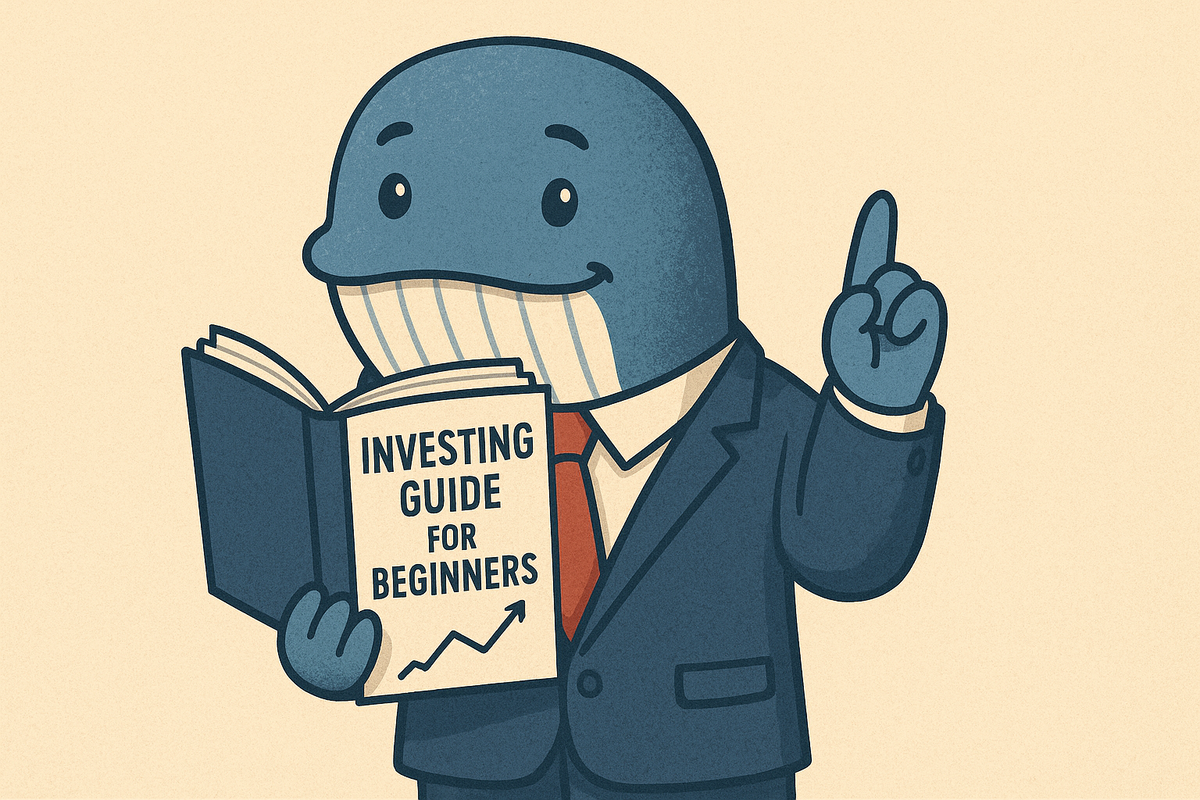
Investing can seem intimidating, but with the right knowledge and approach, anyone can grow their savings and achieve financial goals. Here’s an easy-to-follow guide, packed with key tips for first-time investors.
Why Invest?
Investing is the process of putting your money into assets—like stocks, bonds, or funds—with the expectation that it will grow over time. The goal is to make your money work for you, helping you build wealth, beat inflation, and reach milestones such as retirement, buying a home, or funding education.
Top Tips for Beginner Investors
1. Set Clear Financial Goals
Decide what you want to achieve—retirement, buying a home, or education. Having goals helps you choose the right investment strategy and stay motivated.
2. Start Early, Even If Small
The earlier you start investing, the more time your money has to grow. Even small, regular investments can add up thanks to compounding returns.
3. Understand Your Risk Tolerance
Everyone’s comfort level with risk is different. Assess how much risk you can handle emotionally and financially, and let it guide your investment choices.
4. Diversify Your Portfolio
Don’t put all your eggs in one basket. Spread investments across various asset types (stocks, bonds, funds, real estate) to lower risk and improve the chance for steady returns.
5. Educate Yourself
Learn the basics of how investing works. Read articles, listen to podcasts, or consult reputable websites to build a foundation and make smart decisions.
6. Keep Costs Low
Look for low-fee funds and avoid unnecessary charges. Costs eat into your returns over time, so favor investments like index funds and ETFs that typically have lower fees.
7. Think Long-Term
Markets go up and down in the short run. Focus on years or decades—not days or weeks—to allow investments to grow and recover from downturns.
8. Automate and Stay Consistent
Consider automatic investment plans that regularly add to your portfolio. This approach, known as “dollar-cost averaging,” can reduce the impact of volatility and build discipline.
9. Review Progress Regularly
Check your investment portfolio periodically—once or twice a year is enough—to rebalance and ensure you’re still on track toward your goals.